Donnerstag, 7. April 2016

06.4.2016

The weather is still nice, the instruments are running well, the dust load in the air is moderate, so there's not much to report. We have made further progress with the FINCH-CVI coupling experiment, it looks very promising, but still a lot of tests and characterization work is needed before we fully understand the measured data.
Here are some pictures of the surrounding landscape:


Just one picture to avoid the impression that only the girls have to lie on the floor during work:


Dienstag, 5. April 2016

05.4.2016

This afternoon we had to put the FINCH (about 150 kg) on some wooden plates to install a new connection under the rack to an additional instrument. For this, a wooden pallet needed to be cut in pieces. And somehow all this seemed to be ladies' work:


04.4.2014

Today the last instrument arrived at the Agia Marina Xyliatou field site: A MOUDI (Micro-Orifice Uniform Deposit Impactor), operated in a joint project by KIT and the University of British Columbia. It takes size resolved samples that will later be analyzed for ice nucleation activity of the sampled particles.


Furthermore, I learned that you have to travel to Cyprus to get some very good Norwegian chocolate ("Quick lunch"):

Apart from this, we manged to make the first measurements with one of the major INUIT experiments, the combination of FINCH, IN-PCVI and ALABAMA. More details will follow.

Montag, 4. April 2016

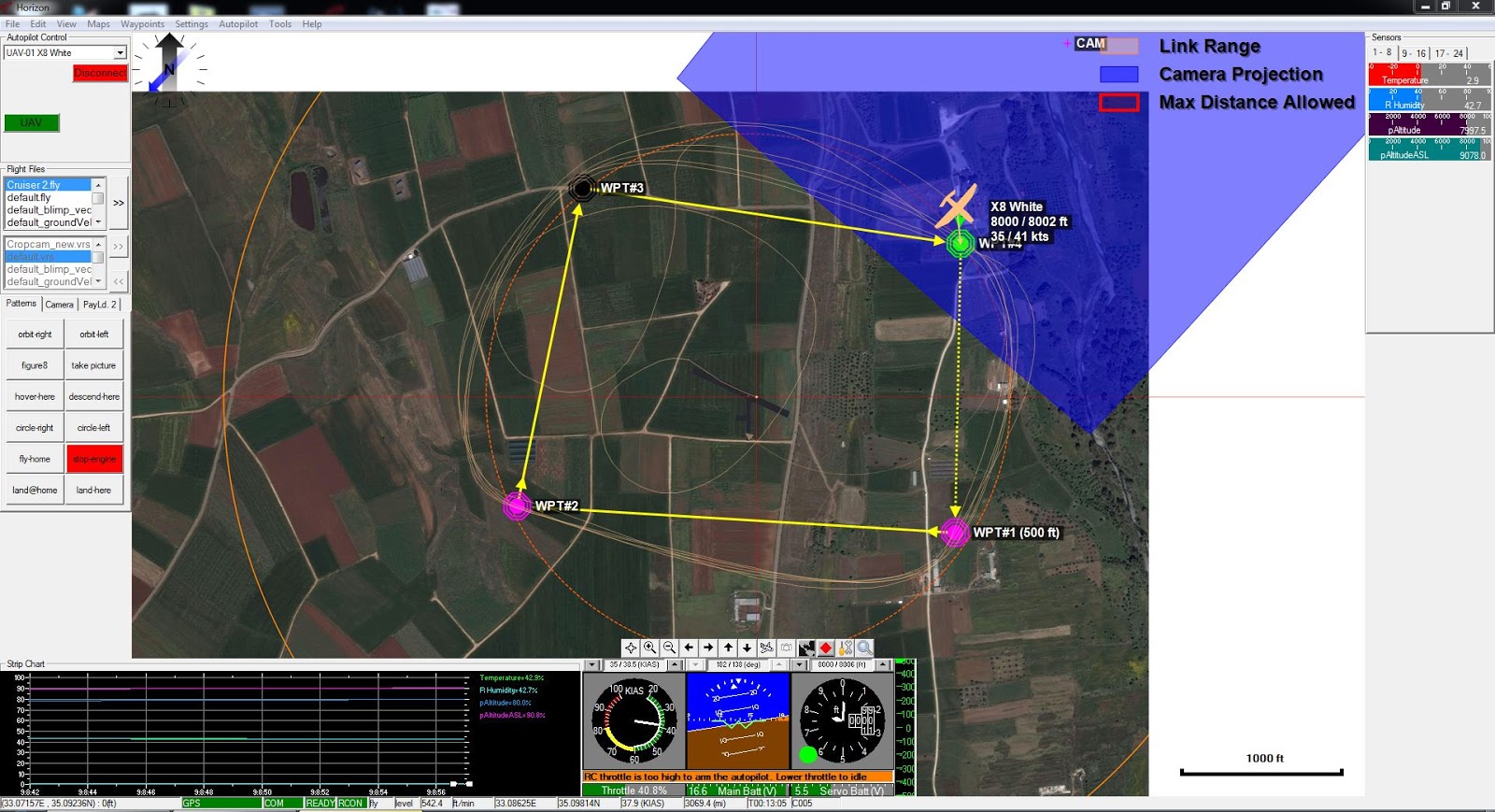
News from UAV airfield at Orounda

4th day of the campaign and the UAV managed to perform 11 IN flights and 4 Absorption flights
Cruiser UAV (CyI) approaching Orounda Runway


Skywalker X8  (CyI) sampling with IN prototype instrument (Frankfurt Univ.)

Absorption Vertical Profile up to 8600 feet above ground


03.4.2016

Today we paid a short visit to the UAV (unmanned aerial vehicles, also know as drones) airfield before we went to the station. Very interesting, and I think there will be some report from the UAV crew here soon. The UAV can carry some small, light-weighted instruments for absorption measurements, size distribution, and impactor samplers.


At the station, most of the instruments are working, the FINCH (Fast Ice Nucleation Chamber) is almost up and running, some last flow check and tests are still necessary. But we expect first IN measurements with FINCH for tomorrow. No power failures anymore, but still from time to time the voltage on one phase is too high, which is a problem for the chiller in the HINC (horizontal ice nucleus chamber) of ETH. But they found a workaround.

Samstag, 2. April 2016

02.4.2016 - No dust

Although some forecasts indicated dust for yesterday and today, we didn't measure it at the station, although we observed elevated aerosol particle concentrations, but presumably from another source. But there are other good news: The ice nucleus counter of University Frankfurt which got damaged yesterday due to the power problem apparently can be repaired, so we are hoping that it will be running soon.

Those of us who want to (or better: have to) do some other work during the day are usually sitting in "the office":


A nice place, but today in the afternoon the wind was rather chilly. But the weather forecast for the next days doesn't look too bad:

Freitag, 1. April 2016

01.4.2016 - Power failure day

This day started out really well! The instruments that had been running over night performed well, and in the morning we also started the single particle mass spectrometer "ALABAMA" which also worked well. But then, at about noon, strange noises and even smoke came from some instruments, and we got a total power failure in our meaurement container. Many fuses were blown and some instruments didn't start up after we reset the fuses.
The reason for the power failure was not clear. Most likely the voltage in one of the phases was a little to high (Cyprus has nominal 240V and 10% tolerance is allowed), so that 260 V might have been in one phase, leading to too low voltage in another phase, leading to higher current taken from some instruments...
The responsible technician arrived (although it is a public holiday today), measured the power supply and distribution and the total power consumption but found that everything is in order.
So, at the end we decided to try again, and hope for the best!
Most of the instruments that didn't start just had a fuse blown or the DC converter was damaged, these all could be replaced, such that almost all instruments were up and running again by 18:00.


Additionally, we also managed to lift a heavy high-volume sampler onto the roof of the container: